
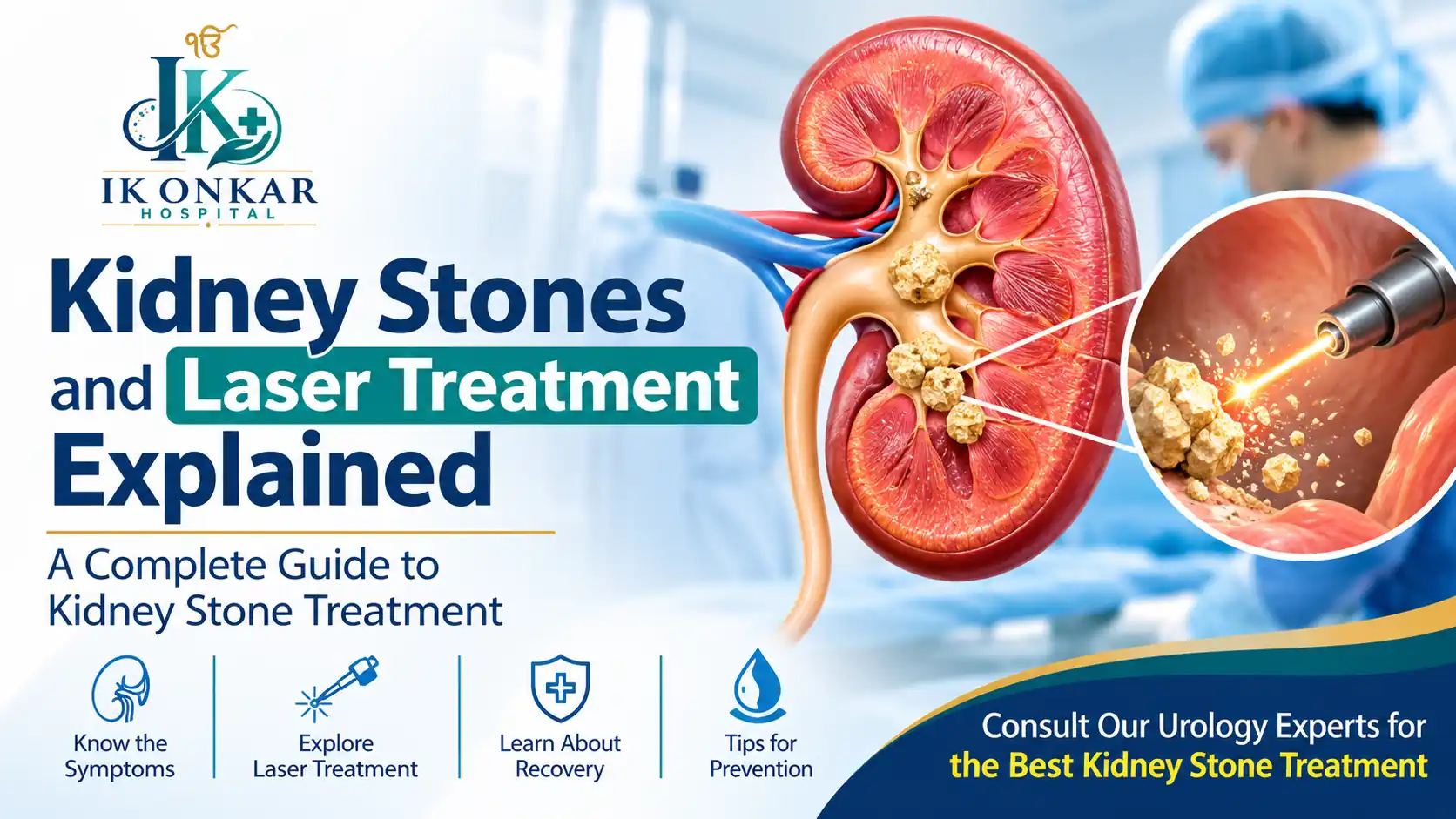
Kidney stones can cause severe pain, difficulty urinating, nausea, and blood in the urine. Kidney stone treatment depends on the size, location, type of stone, symptoms, and whether it is affecting the normal flow of urine. Some small stones may pass naturally with medical guidance, while larger stones or stones causing blockage, persistent pain, or complications may require a medical procedure.
With modern urology techniques, kidney stones can often be treated using minimally invasive procedures such as laser stone removal, shock wave lithotripsy (ESWL), or PCNL. Understanding these options can help patients make informed decisions and seek timely medical care.
What Are Kidney Stones?
Kidney stones are hard deposits of minerals and salts that form inside the kidneys when certain substances in urine become concentrated and crystallize. These stones can vary in size, ranging from tiny crystals to larger stones that may obstruct the urinary tract.
Kidney stones may develop due to dehydration, changes in urine composition, certain dietary habits, family history, metabolic conditions, or other medical factors.
Common Types of Kidney Stones
Calcium stones: Usually made of calcium oxalate and are the most common type.
Uric acid stones: May develop when urine is persistently acidic or concentrated.
Struvite stones: Often associated with urinary tract infections.
Cystine stones: Rare stones associated with an inherited condition that causes cystine to leak into urine.
Identifying the type of stone can help doctors plan treatment and recommend ways to reduce the risk of recurrence.
Common Symptoms of Kidney Stones
Symptoms may develop when a stone moves from the kidney into the ureter or blocks urine flow. Some stones may remain in the kidney without causing noticeable symptoms.
Common kidney stone symptoms include:
Severe pain in the back, side, or lower abdomen
Pain that spreads towards the groin
Blood in the urine (pink, red, or brown urine)
Burning sensation while urinating
Frequent urge to urinate
Nausea or vomiting
Difficulty passing urine or reduced urine output
Severe pain, fever or chills, vomiting, or difficulty urinating requires prompt medical assessment. A blocked urinary tract with infection can be a medical emergency.
What Is the Best Treatment for Kidney Stones?
The best kidney stone treatment depends on the stone’s size, location, composition, symptoms, and the patient’s overall health.
Small stones may pass naturally with medical guidance, while larger stones, obstructing stones, or stones causing persistent symptoms may require a procedure.
Common treatment options include:
Medical management to support natural stone passage in selected patients
ESWL (Extracorporeal Shock Wave Lithotripsy)
Laser kidney stone treatment using ureteroscopy
PCNL (Percutaneous Nephrolithotomy) for selected larger or complex stones
A urologist may recommend imaging tests, urine tests, and blood tests before deciding on the appropriate treatment.
What Is Kidney Stone Laser Treatment?
Kidney stone laser treatment is a minimally invasive procedure used to break urinary stones into smaller fragments or dust-like particles using laser energy.
It is commonly performed through a procedure called ureteroscopy. A thin instrument known as a ureteroscope is passed through the urinary passage to reach the stone. A laser fibre is then used to fragment the stone so the pieces can be removed or pass through the urine, depending on the treatment plan.
Unlike traditional open surgery, ureteroscopic laser treatment generally does not require a large incision on the skin.
How Does Laser Kidney Stone Removal Work?
Laser treatment is generally performed under anesthesia. The procedure may involve the following steps:
1. Pre-procedure evaluation
The doctor reviews imaging, urine tests, medical history, and the stone’s size and location.
2. Anesthesia
Appropriate anesthesia is administered to help the patient remain comfortable during the procedure.
3. Ureteroscope insertion
A thin scope is carefully passed through the urethra and bladder into the ureter or kidney, depending on the stone’s location.
4. Laser stone fragmentation
A laser fibre is used to break the stone into small fragments or dust-like particles.
5. Stone fragment removal
Fragments may be removed with a small retrieval basket or allowed to pass naturally, depending on their size and the procedure.
6. Ureteral stent placement if required
A temporary stent may be placed to help urine drain from the kidney to the bladder while swelling settles.
7. Recovery and follow-up
The patient receives instructions about medications, hydration, activity, follow-up imaging, and stent removal if a stent was inserted.
Types of Kidney Stone Removal Procedures
Different procedures are used depending on the stone’s characteristics and the patient’s condition.
1. Laser Lithotripsy (URS / RIRS)
Laser lithotripsy is performed using a scope passed through the natural urinary passage. It is commonly used for stones in the ureter and selected stones in the kidney.
Potential advantages:
Usually no external surgical incision
Direct access to the stone
Can treat selected ureteral and kidney stones
Stone fragments can be removed during the procedure
Recovery is often quicker than with open surgery
The procedure may require a temporary ureteral stent, which can cause urinary discomfort until removed.
2. ESWL (Shock Wave Lithotripsy)
ESWL uses externally generated shock waves to break stones into smaller fragments. These fragments may then pass naturally through the urine.
It may be suitable for selected stones depending on their size, location, density, and patient factors.
3. PCNL (Percutaneous Nephrolithotomy)
PCNL is a minimally invasive surgical procedure used for certain larger, complex, or difficult-to-treat kidney stones.
A small access tract is created through the skin into the kidney so instruments can remove or fragment the stone. PCNL is often considered for larger stone burdens, but the decision depends on the individual case.
Laser Treatment vs. ESWL vs. PCNL
The treatment method is selected based on stone size, location, density, symptoms, anatomy, and other medical factors.
| Treatment | How it works | Common use |
|---|---|---|
| Laser URS/RIRS | Scope and laser passed through urinary passage | Selected ureteral and kidney stones |
| ESWL | External shock waves fragment the stone | Selected stones suitable for shock wave treatment |
| PCNL | Small access through skin into kidney | Larger or complex kidney stones |
There is no single treatment that is best for every patient. A urologist may recommend a different procedure depending on the stone’s characteristics and the patient’s health.
When Is Kidney Stone Surgery Needed?
Not every kidney stone requires surgery. Some small stones can pass naturally, but a procedure may be recommended when:
The stone is too large to pass naturally.
Pain continues or keeps returning.
The stone blocks the flow of urine.
The stone is affecting kidney function.
Repeated urinary infections are associated with the stone.
The stone is not passing despite medical management.
The stone burden or location makes spontaneous passage unlikely.
Depending on the condition, kidney stone removal may involve laser ureteroscopy, ESWL, or PCNL.
Is Kidney Stone Laser Treatment Safe?
Laser kidney stone treatment is commonly performed and is generally considered safe when appropriately indicated. However, as with any medical procedure, risks may include infection, bleeding, injury to the urinary tract, residual stone fragments, stent-related discomfort, or the need for another procedure.
The risks depend on the patient’s condition, stone characteristics, and the procedure performed. Patients should discuss expected benefits, potential complications, and alternatives with their urologist.
How Long Does Recovery Take After Kidney Stone Laser Treatment?
Recovery varies depending on stone size, the complexity of the procedure, the patient’s health, and whether a ureteral stent is placed.
Many patients can resume light daily activities within a few days, but individual recovery times differ.
Temporary symptoms after treatment may include:
Mild burning during urination
Blood in the urine
Frequent urination or urgency
Discomfort in the side or bladder
Stent-related pain or irritation if a stent is present
Follow your urologist’s instructions regarding hydration, medicines, physical activity, and follow-up appointments. If a stent is placed, confirm the removal date and do not delay its removal without medical advice.
Can Kidney Stones Come Back After Treatment?
Yes. Removing a kidney stone does not eliminate the factors that caused it to form. Some patients may develop new stones in the future, especially if they have a history of recurrent stones, dehydration, metabolic conditions, or certain dietary risk factors.
Preventive measures may include:
Drinking adequate water, unless your doctor has restricted fluids.
Reducing excessive salt intake.
Following dietary advice based on your stone type.
Avoiding excessive animal protein if advised.
Maintaining a healthy body weight.
Completing recommended urine or metabolic testing.
Follow-up with your doctor if you have recurrent stones.
Stone analysis and metabolic evaluation may help guide prevention in patients who are at increased risk.
When Should You Consult a Urologist?
Consult a urologist if you experience severe side or back pain, blood in urine, repeated urinary symptoms, or suspected kidney stones.
Seek urgent medical care if you have:
Fever or chills with suspected kidney stones
Severe pain that is not controlled
Persistent vomiting
Difficulty passing urine
Very little urine output
These symptoms may indicate obstruction or infection and should not be ignored.
Kidney Stone Treatment at Ikonkar Hospital
Kidney stones can cause significant pain and may require timely medical evaluation. The appropriate treatment depends on the stone’s size, location, and effect on the urinary tract.
Patients experiencing kidney stone symptoms should undergo proper medical assessment to understand their diagnosis and available treatment options. A urologist can help determine whether medical management, laser stone removal, ESWL, or another procedure is appropriate.
For concerns about kidney stones, consult the urology team at Ikonkar Hospital, for evaluation and guidance regarding treatment and prevention.
Frequently Asked Questions (FAQs)
1. What is the best treatment for kidney stones?
Treatment depends on the size, location, and symptoms of the stone. Small stones may pass naturally, while larger stones or stones causing blockage may require laser treatment, ESWL, or PCNL.
2. Can kidney stones be removed with laser?
Yes. Laser lithotripsy uses a ureteroscope and laser fibre to break stones into smaller fragments. The fragments may be removed during the procedure or pass naturally through the urine.
3. Is kidney stone laser treatment painful?
The procedure is generally performed under anesthesia. Afterward, some patients may experience burning during urination, mild blood in the urine, or discomfort from a temporary stent.
4. How long does kidney stone laser surgery take?
The procedure may take around 30–90 minutes in many cases, but the duration depends on stone size, location, number, and complexity. Some cases may take longer.
5. How long does it take to recover from kidney stone removal?
Many patients resume light activities within a few days after an uncomplicated procedure. Recovery may take longer depending on the procedure, stone burden, and stent placement.
6. Is kidney stone surgery necessary for every stone?
No. Small stones may pass naturally under medical guidance. Surgery or another procedure may be needed for larger stones, persistent pain, obstruction, infection-related concerns, or stones that do not pass.
7. Can kidney stones be prevented?
The risk of recurrence may be reduced through adequate hydration, dietary changes based on stone type, and medical evaluation when recommended. Prevention is personalized because different types of stones have different causes.
8. When should kidney stone pain be treated urgently?
Seek urgent medical attention if kidney stone pain is accompanied by fever, chills, persistent vomiting, difficulty urinating, or very low urine output.
ਪੰਜਾਬੀ ਵਿੱਚ ਅਕਸਰ ਪੁੱਛੇ ਜਾਂਦੇ ਸਵਾਲ (Punjabi FAQs)
1. ਗੁਰਦੇ ਦੀ ਪੱਥਰੀ ਦਾ ਸਭ ਤੋਂ ਵਧੀਆ ਇਲਾਜ ਕੀ ਹੈ?
ਗੁਰਦੇ ਦੀ ਪੱਥਰੀ ਦਾ ਇਲਾਜ ਇਸ ਦੇ ਆਕਾਰ, ਸਥਾਨ ਅਤੇ ਮਰੀਜ਼ ਦੇ ਲੱਛਣਾਂ ‘ਤੇ ਨਿਰਭਰ ਕਰਦਾ ਹੈ। ਛੋਟੀ ਪੱਥਰੀ ਦਵਾਈਆਂ ਅਤੇ ਡਾਕਟਰੀ ਸਲਾਹ ਨਾਲ ਆਪਣੇ ਆਪ ਨਿਕਲ ਸਕਦੀ ਹੈ, ਜਦਕਿ ਵੱਡੀ ਪੱਥਰੀ ਲਈ ਲੇਜ਼ਰ ਜਾਂ ਹੋਰ ਪ੍ਰਕਿਰਿਆ ਦੀ ਲੋੜ ਪੈ ਸਕਦੀ ਹੈ।
2. ਕੀ ਗੁਰਦੇ ਦੀ ਪੱਥਰੀ ਲੇਜ਼ਰ ਨਾਲ ਕੱਢੀ ਜਾ ਸਕਦੀ ਹੈ?
ਹਾਂ, ਕਈ ਕਿਸਮਾਂ ਦੀ ਗੁਰਦੇ ਜਾਂ ਯੂਰੇਟਰ ਦੀ ਪੱਥਰੀ ਨੂੰ ਲੇਜ਼ਰ ਨਾਲ ਤੋੜਿਆ ਜਾ ਸਕਦਾ ਹੈ। ਇਸ ਪ੍ਰਕਿਰਿਆ ਵਿੱਚ ਇੱਕ ਪਤਲੀ ਸਕੋਪ ਰਾਹੀਂ ਪੱਥਰੀ ਤੱਕ ਪਹੁੰਚ ਕੇ ਲੇਜ਼ਰ ਦੀ ਮਦਦ ਨਾਲ ਇਸ ਨੂੰ ਛੋਟੇ ਟੁਕੜਿਆਂ ਵਿੱਚ ਤੋੜਿਆ ਜਾਂਦਾ ਹੈ।
3. ਗੁਰਦੇ ਦੀ ਪੱਥਰੀ ਦੇ ਆਮ ਲੱਛਣ ਕੀ ਹਨ?
ਗੁਰਦੇ ਦੀ ਪੱਥਰੀ ਦੇ ਆਮ ਲੱਛਣਾਂ ਵਿੱਚ ਪਿੱਠ ਜਾਂ ਪਾਸੇ ਤੇਜ਼ ਦਰਦ, ਪਿਸ਼ਾਬ ਵਿੱਚ ਖੂਨ, ਪਿਸ਼ਾਬ ਕਰਦੇ ਸਮੇਂ ਜਲਣ, ਵਾਰ-ਵਾਰ ਪਿਸ਼ਾਬ ਆਉਣਾ, ਮਤਲੀ ਅਤੇ ਉਲਟੀਆਂ ਸ਼ਾਮਲ ਹੋ ਸਕਦੇ ਹਨ।
4. ਕੀ ਪੱਥਰੀ ਦਾ ਲੇਜ਼ਰ ਇਲਾਜ ਦਰਦਨਾਕ ਹੁੰਦਾ ਹੈ?
ਲੇਜ਼ਰ ਇਲਾਜ ਆਮ ਤੌਰ ‘ਤੇ ਬੇਹੋਸ਼ੀ ਜਾਂ ਉਚਿਤ ਐਨੇਸਥੀਸੀਆ ਦੇ ਤਹਿਤ ਕੀਤਾ ਜਾਂਦਾ ਹੈ, ਇਸ ਲਈ ਪ੍ਰਕਿਰਿਆ ਦੌਰਾਨ ਮਰੀਜ਼ ਨੂੰ ਦਰਦ ਮਹਿਸੂਸ ਨਹੀਂ ਹੁੰਦਾ। ਇਲਾਜ ਤੋਂ ਬਾਅਦ ਕੁਝ ਸਮੇਂ ਲਈ ਪਿਸ਼ਾਬ ਵਿੱਚ ਜਲਣ ਜਾਂ ਹਲਕਾ ਦਰਦ ਹੋ ਸਕਦਾ ਹੈ।
5. ਪੱਥਰੀ ਦੇ ਲੇਜ਼ਰ ਇਲਾਜ ਤੋਂ ਬਾਅਦ ਕਿੰਨੇ ਦਿਨਾਂ ਵਿੱਚ ਠੀਕ ਹੋ ਸਕਦੇ ਹਾਂ?
ਕਈ ਮਰੀਜ਼ ਕੁਝ ਦਿਨਾਂ ਵਿੱਚ ਹਲਕੇ ਰੋਜ਼ਾਨਾ ਕੰਮ ਸ਼ੁਰੂ ਕਰ ਸਕਦੇ ਹਨ। ਠੀਕ ਹੋਣ ਦਾ ਸਮਾਂ ਪੱਥਰੀ ਦੇ ਆਕਾਰ, ਇਲਾਜ ਦੀ ਕਿਸਮ ਅਤੇ ਸਟੈਂਟ ਲੱਗਣ ‘ਤੇ ਨਿਰਭਰ ਕਰਦਾ ਹੈ।
6. ਕੀ ਹਰ ਗੁਰਦੇ ਦੀ ਪੱਥਰੀ ਲਈ ਸਰਜਰੀ ਜ਼ਰੂਰੀ ਹੁੰਦੀ ਹੈ?
ਨਹੀਂ, ਹਰ ਪੱਥਰੀ ਲਈ ਸਰਜਰੀ ਦੀ ਲੋੜ ਨਹੀਂ ਹੁੰਦੀ। ਛੋਟੀਆਂ ਪੱਥਰੀਆਂ ਡਾਕਟਰੀ ਸਲਾਹ ਨਾਲ ਆਪਣੇ ਆਪ ਨਿਕਲ ਸਕਦੀਆਂ ਹਨ। ਜੇ ਪੱਥਰੀ ਵੱਡੀ ਹੋਵੇ, ਪਿਸ਼ਾਬ ਦਾ ਰਸਤਾ ਰੋਕ ਰਹੀ ਹੋਵੇ ਜਾਂ ਲਗਾਤਾਰ ਦਰਦ ਕਰ ਰਹੀ ਹੋਵੇ, ਤਾਂ ਪ੍ਰਕਿਰਿਆ ਦੀ ਲੋੜ ਹੋ ਸਕਦੀ ਹੈ।
7. ਕੀ ਗੁਰਦੇ ਦੀ ਪੱਥਰੀ ਦੁਬਾਰਾ ਬਣ ਸਕਦੀ ਹੈ?
ਹਾਂ, ਇਲਾਜ ਤੋਂ ਬਾਅਦ ਵੀ ਪੱਥਰੀ ਦੁਬਾਰਾ ਬਣ ਸਕਦੀ ਹੈ। ਪਾਣੀ ਪੂਰੀ ਮਾਤਰਾ ਵਿੱਚ ਪੀਣਾ, ਖੁਰਾਕ ਵਿੱਚ ਲੋੜੀਂਦੇ ਬਦਲਾਅ ਕਰਨਾ ਅਤੇ ਡਾਕਟਰ ਦੀ ਸਲਾਹ ਅਨੁਸਾਰ ਜਾਂਚ ਕਰਵਾਉਣਾ ਪੱਥਰੀ ਦੇ ਮੁੜ ਬਣਨ ਦੇ ਖਤਰੇ ਨੂੰ ਘਟਾਉਣ ਵਿੱਚ ਮਦਦ ਕਰ ਸਕਦਾ ਹੈ।
8. ਗੁਰਦੇ ਦੀ ਪੱਥਰੀ ਹੋਣ ‘ਤੇ ਡਾਕਟਰ ਨੂੰ ਕਦੋਂ ਦਿਖਾਉਣਾ ਚਾਹੀਦਾ ਹੈ?
ਜੇ ਪਿੱਠ ਜਾਂ ਪਾਸੇ ਤੇਜ਼ ਦਰਦ, ਪਿਸ਼ਾਬ ਵਿੱਚ ਖੂਨ, ਪਿਸ਼ਾਬ ਕਰਨ ਵਿੱਚ ਮੁਸ਼ਕਲ ਜਾਂ ਵਾਰ-ਵਾਰ ਪਿਸ਼ਾਬ ਦੀ ਸਮੱਸਿਆ ਹੋਵੇ ਤਾਂ ਯੂਰੋਲੋਜਿਸਟ ਨੂੰ ਦਿਖਾਓ। ਜੇ ਦਰਦ ਨਾਲ ਬੁਖਾਰ, ਠੰਢ ਲੱਗਣਾ ਜਾਂ ਪਿਸ਼ਾਬ ਬੰਦ ਹੋਣ ਵਰਗੇ ਲੱਛਣ ਹੋਣ ਤਾਂ ਤੁਰੰਤ ਡਾਕਟਰੀ ਸਹਾਇਤਾ ਲਓ।